Victorian properties in Sutton are among the most beautiful and characterful homes you'll find. Built between 1837 and 1901, these properties showcase stunning architecture and solid construction. However, as RICS building surveyors conducting hundreds of Victorian property surveys each year, we regularly encounter specific defects that homebuyers need to understand before making their property purchase.
This comprehensive guide reveals the ten most common building defects our surveyors identify during Level 3 building surveys of Victorian homes across Sutton and the surrounding areas. Understanding these issues helps you make informed decisions and negotiate effectively based on your survey report findings.
1. Rising Damp and Moisture Problems
Rising damp is perhaps the most frequently encountered issue in Victorian properties. These buildings were constructed before modern damp-proof courses became standard in the 1920s. Without effective damp barriers, moisture from the ground can rise through walls via capillary action.
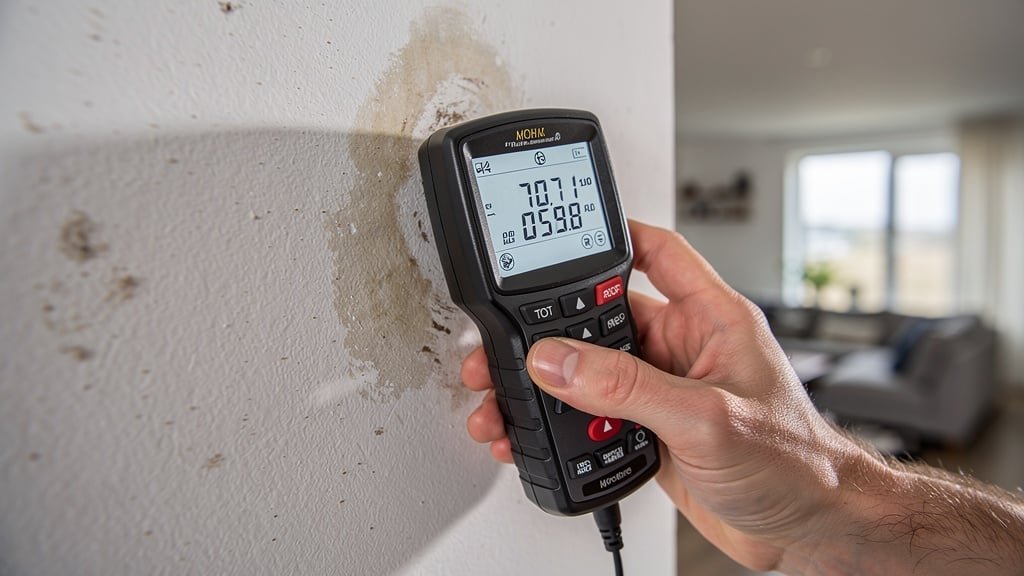
What Our Surveyors Look For:
- Tide marks on internal walls (typically up to 1 meter high)
- Peeling paint or wallpaper at lower wall levels
- White salt deposits (efflorescence) on wall surfaces
- Damp smell in ground floor rooms
- Damaged skirting boards and plaster at floor level
Typical Repair Costs: Installing a new damp-proof course typically costs £2,000-£4,000 depending on property size. Additional costs for replastering and redecoration can add £1,000-£3,000.
2. Roof Issues and Tile Slippage
Victorian properties typically feature pitched roofs covered with slate or clay tiles. After 100+ years, even the highest quality roofing materials deteriorate. During our building surveys, we examine roofs carefully from ground level and, where safely accessible, from within the roof space.
Common Roof Problems Include:
- Slipped or missing tiles allowing water ingress
- Deteriorated mortar in ridge tiles
- Damaged or perished lead flashings around chimneys
- Rotten timber in roof structure due to historic leaks
- Inadequate roof ventilation causing condensation
Typical Repair Costs: Minor repairs (replacing slipped tiles) might cost £500-£1,500. Major roof work including re-roofing can range from £8,000-£15,000 for a typical Victorian terrace.
3. Structural Movement and Cracking
Structural movement is common in Victorian properties and doesn't always indicate serious problems. These buildings have often settled over decades, and minor cracking is usually historic and stable. However, our building surveyors assess whether movement is ongoing or requires remedial building work.
Types of Cracking We Assess:
- Stepped cracks in brickwork: Following mortar joints, often indicating settlement
- Diagonal cracks: May suggest foundation movement or subsidence
- Horizontal cracks: Could indicate issues with lintels or wall ties
- Internal plaster cracks: Often cosmetic but can indicate structural issues
Our survey reports always indicate whether cracks appear historic and stable or require further investigation. Significant ongoing movement may necessitate specialist structural engineer involvement.
4. Chimney Stack Problems
Victorian properties were designed with multiple fireplaces for heating, resulting in tall chimney stacks that are now often redundant. These chimneys can develop various defects that our building surveyors identify during property surveys.
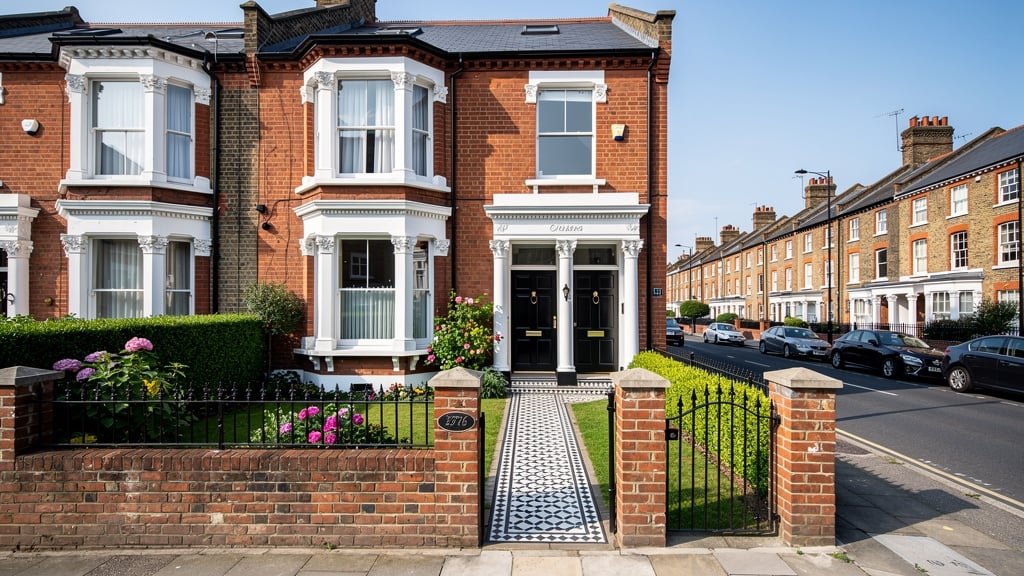
Common Chimney Issues:
- Leaning or unstable chimney stacks
- Deteriorated mortar pointing allowing water penetration
- Missing or damaged chimney pots
- Cracked flaunching (mortar around chimney pots)
- Absent or inadequate chimney capping where fireplaces are no longer used
Typical Repair Costs: Repointing a chimney stack costs £800-£2,000. Rebuilding an unstable chimney can cost £3,000-£6,000. Simple chimney capping runs £200-£500.
5. Window Problems and Rotten Timber
Original Victorian sash windows are charming but require regular maintenance. Many Victorian properties in Sutton still feature these original windows, and our surveyors frequently find various defects during homebuyer surveys.
Typical Window Issues:
- Rotten timber in window frames and sills
- Broken sash cords making windows difficult to operate
- Single glazing causing heat loss and condensation
- Poor decoration allowing water penetration
- Inadequate putty allowing glass to become loose
Typical Repair Costs: Refurbishing original sash windows costs £400-£800 per window. Full replacement with modern double-glazed sash windows runs £800-£1,500 per window. For a typical Victorian terrace with 10-12 windows, this becomes a significant expense.
6. Solid Wall Construction and Heat Loss
Unlike modern homes with cavity walls, Victorian properties feature solid brick walls typically 225mm (9 inches) thick. While structurally sound, this construction provides minimal insulation by today's standards.
Energy Efficiency Concerns:
- High heating costs due to poor insulation
- Difficulty achieving modern EPC ratings
- Cold internal wall surfaces causing condensation
- Limited options for improving insulation without affecting character
While not a building defect per se, this characteristic affects running costs. Our survey reports often recommend considering internal or external wall insulation, though this requires careful specification to avoid creating damp problems or compromising the building's character.
7. Outdated Electrical and Plumbing Systems
Victorian properties obviously weren't built with modern electrical systems or plumbing. While most have been updated over the years, our surveyors regularly encounter installations requiring upgrading or replacement.
Common Service Issues:
- Electrical: Old wiring, inadequate earthing, outdated fuse boxes, insufficient sockets
- Plumbing: Lead pipework, old galvanized pipes prone to corrosion, inadequate water pressure
- Heating: Aging boilers, inefficient radiator systems, lack of central heating controls
Typical Upgrade Costs: Complete electrical rewiring costs £4,000-£8,000. Full central heating system replacement runs £4,000-£6,000. Replacing lead pipework costs £1,500-£3,000.
8. Floor Problems and Timber Decay
Victorian properties typically feature suspended timber floors at ground level. These floors can develop various problems, particularly if subfloor ventilation is inadequate.
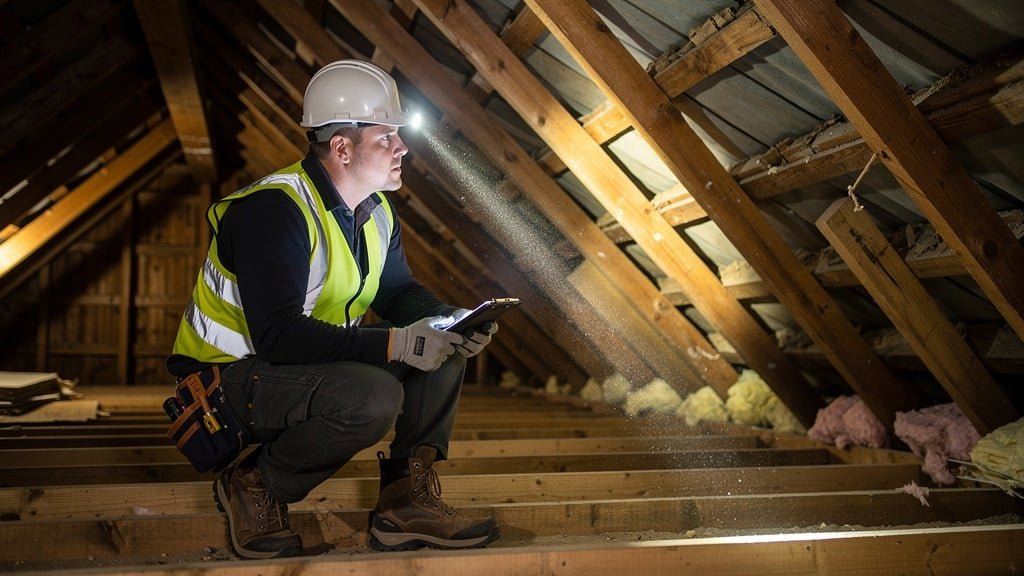
Floor Defects We Identify:
- Rotten floor joists due to inadequate ventilation or damp
- Woodworm or beetle infestation in timber
- Bouncy or uneven floors indicating structural issues
- Blocked air bricks preventing subfloor ventilation
- Damaged floorboards requiring replacement
Typical Repair Costs: Treating woodworm costs £500-£1,500. Replacing rotten floor joists in one room costs £1,500-£3,000. Extensive floor repairs can reach £5,000-£10,000.
9. Bay Window Problems
Victorian bay windows are architecturally distinctive but can present specific structural challenges. Our building surveyors pay particular attention to these features during property surveys.
Typical Bay Window Issues:
- Cracking where bay connects to main building
- Settlement of bay foundations
- Rotten timber in bay window frames
- Leaking flat roof over bay causing internal damp
- Inadequate support for bay structure
Typical Repair Costs: Repairing bay window roofs costs £2,000-£4,000. Significant structural repairs to bay windows can cost £5,000-£10,000 or more.
10. Poor Previous Alterations and Building Work
Many Victorian properties in Sutton have been altered over the decades. Unfortunately, our surveyors regularly discover substandard building work that affects property value and creates potential issues for homebuyers.
Common Problems from Previous Work:
- Removed or altered structural walls without adequate support
- Loft conversions without building regulations approval
- Extensions with inadequate foundations
- Bathroom or kitchen installations with poor ventilation
- DIY electrical or plumbing work not meeting current standards
Our survey reports identify such issues and recommend obtaining appropriate documentation (building regulations certificates, structural engineer calculations) or considering remedial work costs in your purchase negotiations.
Why a Level 3 Building Survey is Essential for Victorian Properties
Given the potential issues outlined above, we strongly recommend a comprehensive RICS Level 3 building survey for Victorian properties. Unlike a basic RICS Level 2 homebuyer survey, a Level 3 survey provides the detailed analysis these older buildings require.
What Our Level 3 Surveys Provide:
- Comprehensive inspection of all accessible areas
- Detailed assessment of building defects with causes and solutions
- Photographic evidence of all significant issues
- Guidance on repair priorities and approximate costs
- Expert advice on negotiating based on survey findings
Frequently Asked Questions
Should I avoid buying a Victorian property with these defects?
Not necessarily. Most Victorian properties in Sutton will have some of these issues - they're over 100 years old! The key is understanding what you're buying and factoring repair costs into your property price negotiations. Many defects are repairable at reasonable cost. Our survey report helps you make an informed decision about whether the property represents good value even with necessary building work.
How much should I budget for repairs on a Victorian property?
This varies enormously depending on the property's condition and which defects are present. As a general guide, budget £10,000-£30,000 for a typical Victorian terrace requiring moderate renovation. Properties in poor condition might need £50,000+ of work. Our detailed building survey provides specific guidance on your property, helping you budget accurately.
Can I negotiate the property price based on survey findings?
Absolutely. Our detailed survey reports provide strong evidence for price negotiations. Many of our clients successfully negotiate £5,000-£20,000+ off the asking price when significant defects are identified. The survey typically pays for itself through these negotiations. We can provide guidance on which issues provide the strongest negotiating position.
Are Victorian properties more expensive to maintain than modern homes?
Generally yes, Victorian properties require more ongoing maintenance and typically have higher heating costs due to solid wall construction and original features. However, well-maintained Victorian homes can be excellent investments. The key is understanding maintenance requirements before purchase and budgeting accordingly. Regular maintenance prevents small issues becoming major problems.
Will a surveyor check everything or just visible areas?
Our Level 3 building survey examines all accessible areas without causing damage. We can't see behind plaster or under floors without lifting boards (which requires permission). However, we identify indicators suggesting hidden problems and recommend further investigation where necessary. We also inspect roof spaces, examine walls from ground level, and assess all visible structural elements comprehensively.
Buying a Victorian Property in Sutton?
Get expert advice from our RICS building surveyors. We provide comprehensive Level 3 building surveys specifically tailored for Victorian properties across Sutton and surrounding areas.
Get Your Free Survey QuoteRelated Articles
RICS Level 2 vs Level 3 Survey: Complete Guide
Understanding which survey type is right for your Victorian property purchase in Sutton.
More Property Surveying Advice
Expert insights and guidance from our building surveyors.

About the Author
Sarah Matthews is a Senior Building Surveyor at Sutton Surveyors with over 15 years of experience. She specializes in Victorian and Edwardian properties, having conducted hundreds of building surveys across Sutton and surrounding areas. Sarah is passionate about helping homebuyers understand period property characteristics and make informed purchase decisions.
Meet the Team →